


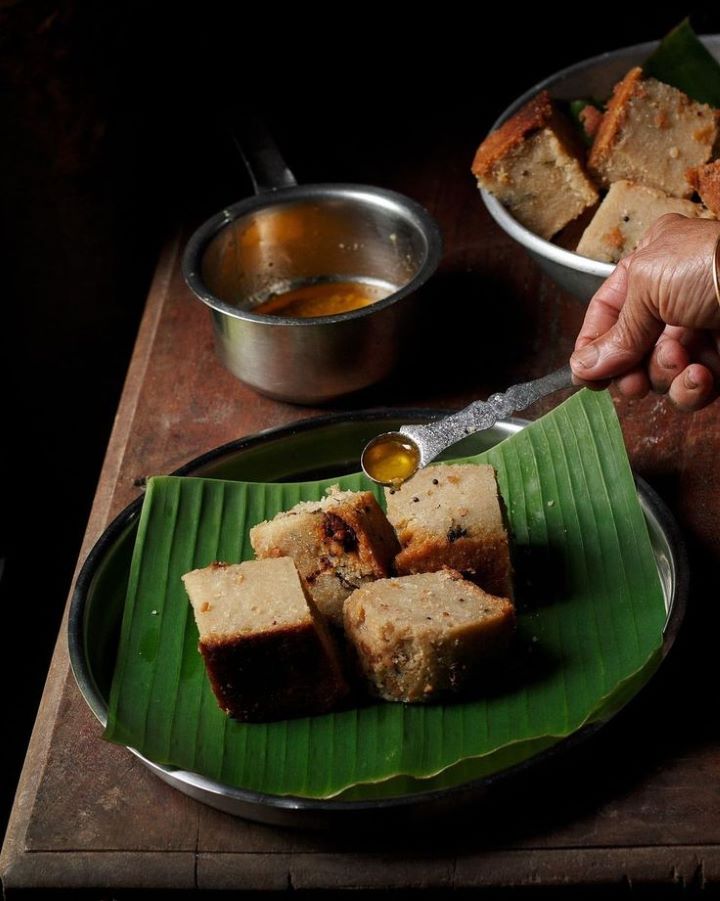
Poda Pitha is one of Odisha’s most treasured traditional delicacies, celebrated for its rich flavor, wholesome ingredients, and deep cultural significance.
Known as the “burnt cake” for its caramelized crust, this baked rice and lentil dish has been enjoyed for generations during festivals, temple rituals, and family celebrations. Beyond its delicious taste, it reflects Odisha’s culinary heritage and the spirit of devotion.
What Makes Poda Pitha So Unique?
In contrast to ordinary cakes, Poda Pitha is made with soaked rice and urad dal, which are ground into a batter, lightly fermented, blended with spices, and flavored with jaggery and dried fruits.
Traditionally baked slowly over wood embers, it develops a slightly charred exterior while remaining soft, moist, and naturally sweet inside. Today, it can also be prepared in ovens, pressure cookers, or stovetops without losing its authentic taste.
Traditional Ingredients That Create Its Signature Flavor
The classic recipe includes:
- Raw rice and skinless urad dal
- Jaggery or sugar
- Freshly grated coconut
- Ghee or oil
- Cashews, raisins, and other dry fruits (optional)
- Ginger, green cardamom, black pepper, cinnamon, nutmeg, or bay leaf
- Banana leaves or sal leaves for traditional baking (optional)
Some regional variations also include semolina, rice flour, or savory ingredients like onions, green chilies, and curry leaves.

Health Benefits of Poda Pitha
When prepared traditionally and enjoyed in moderation, Poda Pitha offers both nourishment and satisfaction.
- Provides plant-based protein from urad dal.
- Supplies sustained energy through rice and jaggery.
- Offers iron and trace minerals from jaggery.
- Coconut and dry fruits contribute healthy fats and essential nutrients.
- Mild fermentation may improve digestibility and gut comfort.
- Naturally gluten-free and can be dairy-free when prepared without ghee or milk.
Since traditional recipes are rich in jaggery and ghee, portion control is recommended for those managing sugar or calorie intake.
Why Poda Pitha Holds a Special Place in Odisha
Poda Pitha is much more than a festive dessert. It is closely associated with Jagannath culture, especially the Bahuda Yatra, when Lord Jagannath, Lord Balabhadra, and Devi Subhadra stop at Mausi Maa Temple during their return journey. Here, Poda Pitha is lovingly offered before the deities continue to Srimandir, symbolizing affection, hospitality, and the warmth of family.
It is also a beloved delicacy during the Raja Festival, when Odia households prepare different varieties of pithas to celebrate tradition, togetherness, and womanhood.
Authentic Poda Pitha Recipe at Home
To prepare traditional Poda Pitha, soak rice and urad dal separately for 4–6 hours, grind them into a batter, and allow it to ferment for 3–6 hours. Mix in jaggery, grated coconut, roasted cashews, raisins, ginger, cardamom, a pinch of salt, and 1–2 tablespoons of ghee.
Pour the batter into a greased tray or wrap it in banana leaves, then bake slowly until the top becomes beautifully caramelized while the center stays moist and soft.
For extra aroma, lightly roast the coconut and dry fruits in ghee before adding them to the batter.

Best Ways to Enjoy This Delicacy
Serve Poda Pitha warm as a wholesome breakfast, festive dessert, or evening snack. Sweet versions pair perfectly with tea, while savory variations can be enjoyed with simple curries or chutneys.
Bring the timeless flavors of Odisha into your kitchen by preparing authentic Poda Pitha and enjoy a delicious blend of tradition, nutrition, and festive joy with every bite.
Feature Image Credit: Pinterest.