Betel nut, also known as Supari or Areca nut (Areca catechu), has been an important part of Hindu traditions for centuries. While it is widely recognised as a sacred offering in religious rituals, it also holds a place in Ayurveda for specific medicinal uses.
However, its ritual significance should not be confused with habitual chewing, which modern research associates with serious health risks.
What Is Betel Nut?
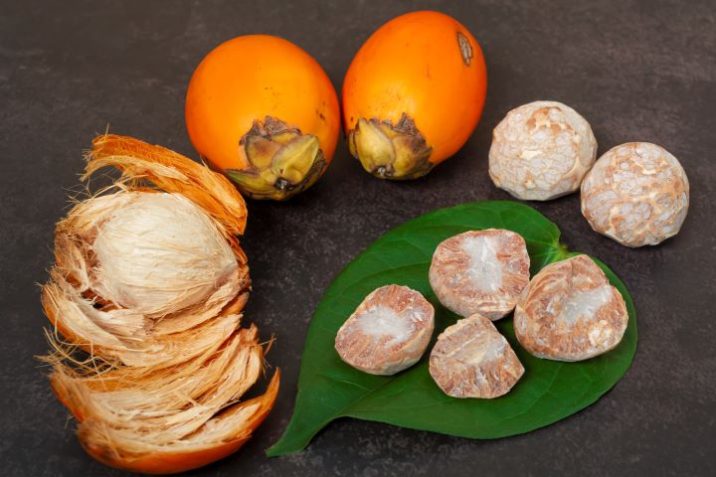
Betel nut is the seed of the Areca catechu palm and has long been used across India and other parts of Asia. Unlike betel leaf, which is primarily valued for purity and devotion, betel nut is mainly used as a symbolic item in worship, ceremonies, and traditional customs. It represents commitment, completeness, and auspiciousness rather than being offered as food.
Traditional Benefits of Betel Nut
Betel nut has been valued in Ayurveda and religious traditions for its symbolic and medicinal importance. Some of its traditional benefits include:
- Supports oral cleanliness and freshens the breath in traditional use.
- Traditionally aids digestion and stimulates appetite.
- Used in Ayurveda to support oral health and manage certain digestive concerns.
- Traditionally recognised for anti-parasitic properties.
- Contains biologically active compounds with antimicrobial and stimulant effects.
- Represents loyalty, commitment, and divine presence in Hindu rituals.
- Symbolises prosperity, completeness, and auspiciousness during sacred ceremonies.
Betel Nut in Ayurveda
Ayurveda describes betel nut as a kashaya (astringent) substance with guru (heavy) and ruksha (dry) qualities, a generally sheeta (cooling) nature in traditional texts, and a katu (pungent) post-digestive effect.
These properties explain why it was traditionally used in small quantities to support digestion, cleanse the mouth, strengthen teeth and gums, stimulate appetite, and address specific concerns such as intestinal worms and certain digestive complaints. Because of its drying nature, Ayurveda recommends careful and limited use rather than regular consumption.
What Modern Research Says About Betel Nut
Modern research confirms that betel nut contains active compounds, including arecoline, which contribute to its stimulant and antimicrobial properties. Scientists have also studied its pharmacological effects, making it an important plant from a research perspective.
However, evidence consistently shows that habitual chewing of areca nut is associated with serious health risks, including oral submucous fibrosis, oral lesions, and an increased risk of oral cancer. These risks become significantly higher when tobacco is added.
Why Betel Nut Is Important in Hindu Worship
In Hindu traditions, supari is a sacred symbol rather than a food offering. It is commonly used in Shiva Puja, Ganesha worship, Kalash Puja, Sankalpa, weddings, and other religious ceremonies.
A whole, unbroken betel nut is preferred because it symbolises completeness, integrity, and unwavering devotion. It may also represent a devotee making a vow, a deity’s presence, or the strength of a sacred intention.
Common Uses of Betel Nut in Religious Rituals
Betel nut is often offered with betel leaves, rice, thread, cloves, coconut, or dakshina during pujas and auspicious ceremonies. It is also exchanged during weddings and traditional functions as a symbol of honour, respect, prosperity, and lasting commitment. In many households, it is placed in the puja room as a sacred representation of blessings and continuity.
Symbolic Meaning of Betel Nut in Indian Tradition
Beyond its ritual use, betel nut represents loyalty, firmness, sacred commitment, prosperity, fertility, and household well-being. It reflects the devotee’s sincerity and dedication, making it an important part of ceremonies that celebrate new beginnings, divine blessings, and enduring relationships.
Ritual Use and Daily Chewing Are Not the Same
It is important to distinguish ritual use from habitual chewing. In Hindu worship, betel nut is valued for its symbolism and spiritual significance. In contrast, regular chewing, especially with tobacco or excessive areca nut, is associated with well-established health risks. Appreciating its sacred and cultural role does not mean it should be viewed as a daily health food.
Use betel nut with understanding and reverence in your puja to honour a timeless tradition while appreciating its deeper spiritual meaning and cultural significance.
Feature Image Credit: Vecteezy.com. (free for commercial use)