


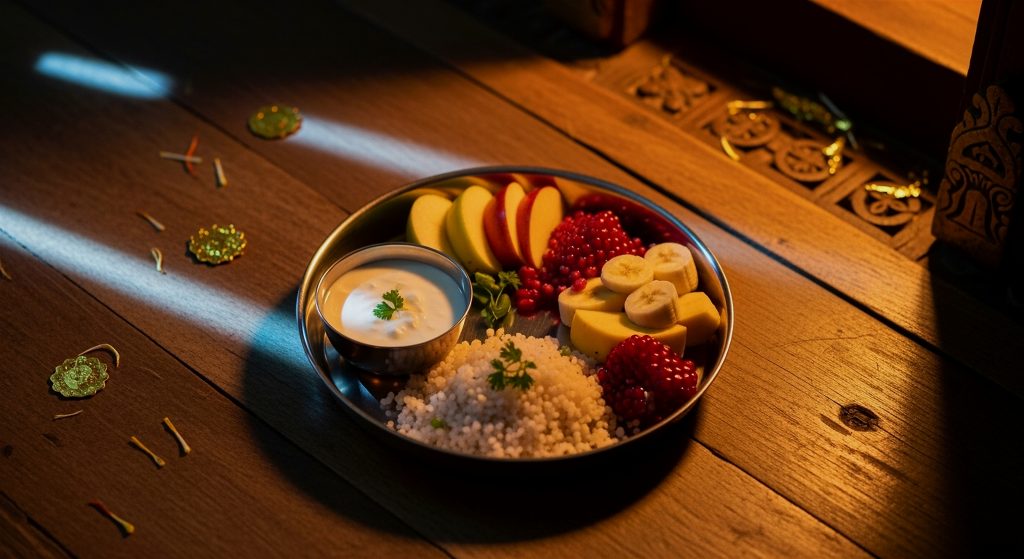
In Ayurveda, Panchakarma is not only a cleansing therapy for the body but a sacred reset for the entire being. The Panchakarma diet is a crucial component of this process.
Rooted in classical Ayurvedic wisdom, it supports the body while toxins are released and gently guides the digestive fire, agni, back to strength. Without this diet, the deeper benefits of Panchakarma are believed to remain incomplete.
What Is the Panchakarma Diet?
The Panchakarma diet is a phased, sattvic eating protocol followed before, during, and after detox therapies such as basti, vamana, or virechana.
Ancient texts compare agni after Panchakarma to a newborn flame. It is pure but delicate. Heavy or improper food at this stage can disturb doshas and recreate ama, the very toxins the therapies remove. Hence, the diet is designed to nourish without burden.

Core Ayurvedic Principles
The diet emphasizes warm, freshly cooked, mildly spiced foods that calm Vata, balance Pitta, and gently reduce Kapha. Rice gruel, moong dal, ghee, and digestive spices like ginger and cumin are central. These foods allow the intestines, liver, and tissues to heal while ojas, the subtle essence of vitality, is rebuilt.
Dietary Phases Explained
Before Panchakarma, light foods like thin rice gruel, moong soup, and herbal teas are prepared to condition the body. During the main therapies, simple khichdi and warm liquids dominate the plate, ensuring detox without exhaustion. After Panchakarma begins, the most crucial phase, Samsarjana Krama, is when food is slowly reintroduced.

The first two days focus only on peya, a thin rice gruel. Over the next few days, thicker gruels, lentil soups, and softly cooked vegetables are added. By the second week, khichdi, ghee, and gentle curd rice return. This gradual rebuilding mirrors how life itself renews after rest.
Post Panchakarma Diet Rules
- Warm food only, never cold or raw
- Freshly cooked meals, no leftovers
- Small, frequent portions to protect agni
- Mindful eating in silence and calm
- Avoid heavy, processed, or incompatible foods for at least 30 days
These rules are not restrictions but acts of reverence toward the body, which Ayurveda views as a sacred vessel.

What Panchakarma Diet Is All About
A properly followed Panchakarma diet improves digestion, immunity, mental clarity, and emotional stability. It stabilizes doshas, supports nerve and joint health, and preserves the spiritual lightness many experience after detox. In this way, diet becomes a form of daily sadhana, aligning body and consciousness.
Follow the Panchakarma diet to rebuild digestion and protect your detox results. Eat this way to restore balance, clarity, and long-lasting vitality.