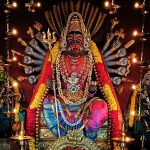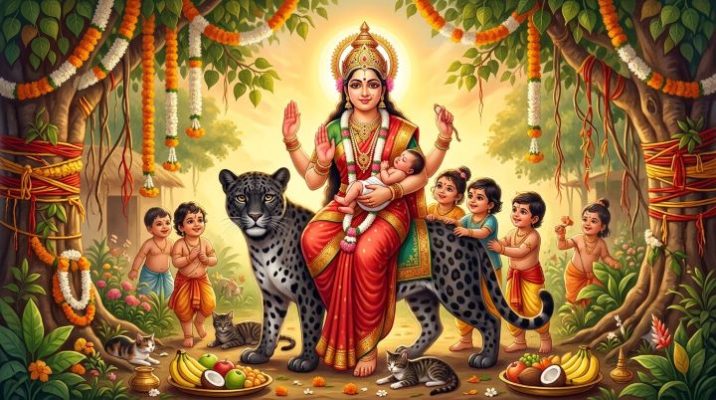
Goddess Shashti (also spelled Sasthi or Shashthi) is the revered Hindu mother goddess of children, fertility, and motherhood. Worshipped especially in Bengal, Odisha, and parts of eastern and northeastern India, she is believed to bless families with safe childbirth, healthy children, and lasting family prosperity. Her worship reflects the sacred belief that every child is a precious gift protected by divine grace.
Who Is Goddess Shashti in Hinduism?
Goddess Shashti is honoured as the divine guardian of mothers and children. Hindu traditions describe her as a daughter of Lord Brahma, a manifestation of Adi Shakti, or Devasena, the consort of Lord Skanda (Murugan). Her name means “the sixth,” as she is traditionally worshipped on the sixth day after childbirth and on the sixth day of the lunar fortnight.
Blessings of Worshipping Goddess Shashti
For generations, devotees have prayed to Goddess Shashti to seek her divine care for their families. She is traditionally believed to bless devotees with:
- Safe pregnancy and childbirth.
- Protection of newborns and young children.
- Fertility and the blessing of motherhood.
- Good health and well-being for children.
- Family harmony and prosperity.
- Continuity of future generations.
- Guidance toward truthfulness, compassion, and responsible parenting.
Why Goddess Shashti Is Worshipped
The primary role of Goddess Shashti is to protect children from birth and support mothers throughout their journey. She represents fertility, nurturing love, and the sacred responsibility of raising children. Her worship reminds devotees that motherhood and family life are divine responsibilities that deserve gratitude, care, and devotion.
Goddess Shashti in Hindu Mythology
According to Hindu tradition, Goddess Shashti emerged from the Divine Mother to protect infants and overcome forces that threatened childbirth and motherhood. One of the most popular Shashti Vrat Kathas tells of a dishonest woman who blamed a cat for stealing food. After losing her children because of her actions, she sincerely repented and worshipped Maa Shashti, who restored her blessings. The story teaches the importance of honesty, compassion, and faith.
How Goddess Shashti Is Worshipped
Goddess Shashti is commonly worshipped on the sixth day after childbirth, the sixth day of the lunar month, and during special family observances. Devotees bathe, wear clean clothes, place an image or symbolic seat of the Goddess, and first offer prayers to Lord Ganesha.
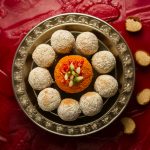
Flowers, incense, a lamp, fruits, sweets, and milk are then offered before reciting Shashti mantras or stotras. The worship concludes with aarti, pranam, and prayers for fertility, children’s health, protection, and family well-being.
Festivals and Bengali Traditions Associated with Goddess Shashti
In Bengal, Jamai Shashthi is a cherished family festival in which the son-in-law is honoured while prayers are offered for the happiness of future generations.
During Durga Puja, Sasthi marks the beginning of the main celebrations through Bodhon, Aamonton, and Adhivas rituals. In many traditions, the cat, believed to be Goddess Shashti’s vahana (vehicle), is respected as an important symbol in her stories and worship.
What Goddess Shashti Symbolizes in Hindu Tradition
Goddess Shashti represents maternal love, protection, fertility, truth, and the continuity of family life. Her worship reminds devotees that raising children with compassion, honesty, and devotion is a sacred duty. Through her blessings, Hindu tradition celebrates the enduring bond between the Divine Mother, parents, and every new generation.
Worship Goddess Shashti with faith and gratitude to seek her blessings for children, motherhood, and a happy, harmonious family life.
Feature Image Credit: AI-generated image created with Google Gemini, October 17, 2026