Nasya, also known as Nasya Karma, Shirovirechana, or Murdhavirechana, is one of the five principal Panchakarma therapies in Ayurveda. It involves administering medicated oils, herbal juices, powders, or other therapeutic substances through the nasal passages.
Since Ayurveda considers the nose the direct gateway to the head and brain, Nasya is regarded as the most effective treatment for disorders affecting the region above the clavicle (Urdhwajatrugata Roga).
Ayurvedic Significance of Nasya Therapy
Nasya holds a unique place in Ayurveda because it directly influences the head, brain, sensory organs, and nervous system. The therapy helps balance Prana Vata, Tarpaka Kapha, and Sadhaka Pitta, while nourishing Majja Dhatu (nervous tissue). It is valued not only for treatment but also for prevention, purification, rejuvenation, and maintaining long-term head and neck health.
Nasya Benefits for Mind, Senses and Overall Wellbeing
Regular Nasya therapy offers a wide range of therapeutic benefits:
- Clears nasal congestion and sinus blockages
- Supports easier breathing and respiratory health
- Helps relieve chronic headaches and migraines
- Reduces sinusitis, rhinitis, allergies, and mucus accumulation
- Improves mental clarity, concentration, and focus
- Helps manage stress, anxiety, and insomnia
- Strengthens the eyes, ears, nose, and throat
- Supports healthy voice quality and speech
- Nourishes hair, scalp, and skin
- Helps prevent premature greying and hair fall
- Relieves stiffness in the neck, jaw, and head region
- Supports neurological health and nerve function
- Promotes overall balance, vitality, and emotional well-being
Conditions Commonly Treated with Nasya
Nasya is traditionally used for sinusitis, rhinitis, migraines, facial paralysis, insomnia, anxiety, epilepsy, eye disorders, ear problems, tonsillitis, hoarseness, neck stiffness, allergies, hair loss, and various Vata-related disorders affecting the head and neck.
Types of Nasya in Ayurveda
Ayurveda describes several forms of Nasya, including Marsha Nasya for Kapha disorders, Saturating Nasya for Vata conditions such as facial paralysis, and Pacifying Nasya for Pitta-related issues. It may also be categorized as Shodhana (purification), Shamana (pacification), or Samsarjana (nourishment).
How Nasya Therapy Is Performed
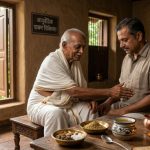
The treatment typically begins with facial massage and gentle steam therapy. After preparation, 5–10 drops of a selected medicated oil such as Anu Taila, Shadbindu Taila, Ksheerabala Taila, Brahmi Oil, or medicated ghee are instilled into each nostril. The individual then rests briefly to allow proper absorption.
Important Nasya Guidelines and Precautions
Nasya is generally performed in the morning, often during Brahma Muhurta or early hours. A therapeutic course usually lasts 5–14 days, while preventive Nasya may be practiced regularly under guidance. It should be avoided during fever, acute illness, menstruation, or immediately after meals. After treatment, rest, warm food, and avoiding cold exposure are recommended.
Practice Nasya treatment under qualified Ayurvedic supervision to clear the head, sharpen mental clarity, and support healthier breathing, senses, and overall well-being.
Feature Image Credit: Pinterest.