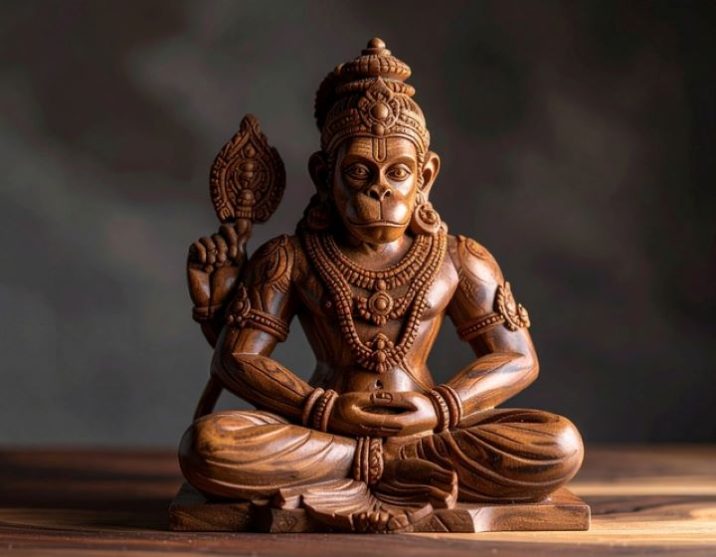
Hanuman Chalisa is one of the most revered Hindu prayers dedicated to Lord Hanuman, the embodiment of strength, courage, wisdom, and unwavering devotion to Lord Ram. Written in the 16th century by Goswami Tulsidas in the Awadhi language, this sacred hymn consists of 40 chaupais (verses), along with two opening dohas and one concluding doha, totaling 43 verses.
Hanuman Chalisa Origin and Sacred Legacy
According to popular tradition, Tulsidas was imprisoned by the Mughal emperor Akbar after refusing to perform miracles. During his imprisonment, he chanted Hanuman Chalisa for 40 days. On the final day, a large troop of monkeys reportedly disrupted the royal court, leading to his release. Another tradition states that Hanuman himself guided Tulsidas in completing the composition, highlighting the hymn’s divine association.
Why Hanuman Chalisa Holds Profound Spiritual Significance
Hanuman Chalisa is regarded as one of the simplest and most powerful ways to seek Hanuman’s blessings. It celebrates his qualities as Sankat Mochan (remover of troubles), Vayu Putra (son of the Wind God), Rudra Avatar, and the greatest devotee of Lord Ram. Devotees believe the hymn creates a spiritual connection with divine energy, promotes righteous living, and helps overcome life’s difficulties.
Hanuman Chalisa Benefits for Mind, Body and Spiritual Growth
Regular chanting is traditionally believed to offer numerous benefits:
- Enhances courage, confidence, and willpower
- Helps remove obstacles in personal and professional life
- Protects against negative influences and fear
- Supports emotional balance and mental peace
- Improves focus, concentration, and clarity
- Reduces stress, anxiety, and disturbing thoughts
- Helps devotees navigate challenging Saturn periods (Sade Sati)
- Encourages prosperity, success, and stability
- Promotes spiritual growth and devotion
- Creates a positive and harmonious environment
Best Time and Method for Chanting Hanuman Chalisa
Tuesday and Saturday are considered especially auspicious. Many devotees chant in the morning or evening after bathing and wearing clean clothes. Sitting facing east or north, lighting a lamp, offering red flowers, and reciting with concentration can deepen the spiritual experience. Some practitioners chant once daily, while others recite it 11 or even 108 times for dedicated sadhana.
Hanuman’s Divine Qualities Celebrated in the Chalisa
The hymn praises Hanuman as fearless, wise, powerful, compassionate, and completely devoted to Rama. His qualities inspire devotees to cultivate discipline, resilience, selfless service, and unwavering faith in their own lives.
Recite Hanuman Chalisa regularly with sincerity and devotion to strengthen your mind, overcome challenges, and invite divine protection, courage, and inner peace into your life.
Feature Image Credit: Vecteezy.com (free for commercial use)