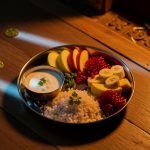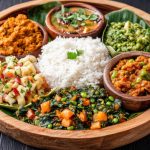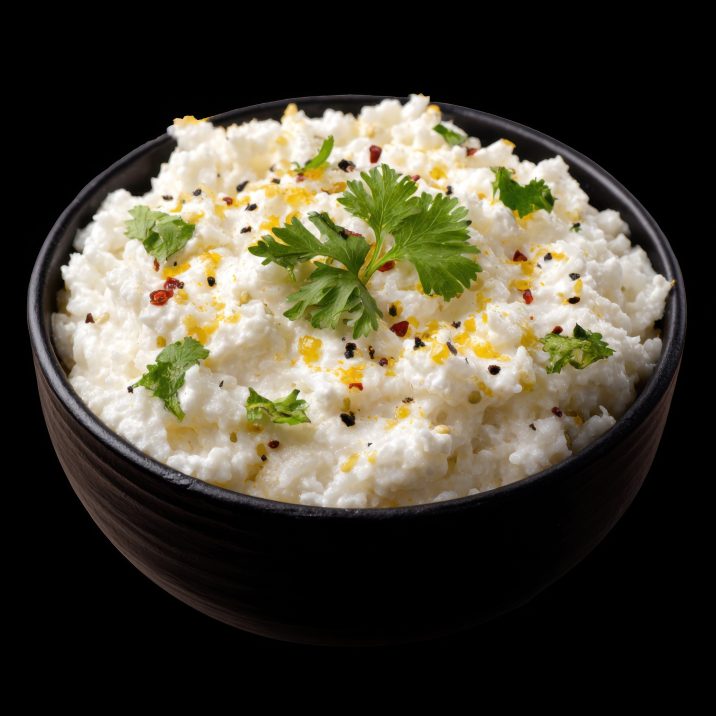
Curd rice is one of India’s most comforting foods, but in Ayurveda, its effects on your body depend entirely on your dosha and digestive fire. When eaten the right way—fresh, at midday, and with mild spices—it can cool inflammation, calm the mind, and strengthen gut health. When eaten wrongly, the same dish can slow Agni and disturb doshic balance.
Curd Rice Through the Ayurvedic Perspective
How It Influences Vata
Vata benefits the most from curd rice. The dish’s moist, grounding, and slightly sour nature stabilizes Vata’s dryness and irregular digestion. Fresh curd rice can help reduce gas, bloating, and restlessness when eaten warm and seasoned gently.
How It Influences Pitta
Pitta responds well to fresh curd rice in small portions. At midday—when Agni is strongest—it cools acidity, supports healthy digestion, and calms irritability. However, sour or chilled curd rice can increase heat, leading to acidity or inflammation. Timing and temperature make all the difference.
How It Influences Kapha
Kapha individuals tend to feel heavy after consuming curd rice. Cold, creamy curd can thicken mucus and slow digestion. But when eaten at room temperature with ginger, black pepper, or curry leaves, it becomes easier to digest and less Kapha-aggravating.
Effect on Digestive Fire (Agni)
Curd rice needs a reasonably strong digestive fire. When consumed fresh, during the day, with mild spices, it supports Agni, balances gut microbes, and leaves you feeling light. Cold, stale, or nighttime curd rice weakens Agni and may lead to ama buildup.
Best Time and Season to Enjoy It
- Best time: Lunch or early afternoon
- Best seasons: Monsoon, pre-winter, and winter
- Avoid: Nighttime, summer afternoons, stale or sour curd
Curd rice can be healing or heavy—Ayurveda says the choice lies in how and when you eat it. Consume it fresh, warm, and at the right time, and let this simple dish elevate your digestion and doshic balance every day.
Feature Image Credit: Vecteezy.com (free for commercial use)