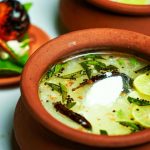
Ayurveda and yogic philosophy believe that food does more than nourish the body; it also shapes your thoughts, emotions, and energy. Every meal influences the 3 gunas (Sattva, Rajas, and Tamas), which govern your physical vitality, emotional responses, and mental clarity. Rather than fixed personality types, these qualities constantly change according to your diet, routine, surroundings, and state of mind.
Let’s understand the alliance better.
The 3 Gunas: Ayurveda’s Food and Mind Connection
Ayurveda explains that every person naturally expresses all three Gunas in different proportions. Your diet, lifestyle, sleep, environment, and daily habits continuously influence which quality becomes dominant.
- Sattva represents purity, harmony, and clarity.
- Rajas represents activity, ambition, passion, and movement.
- Tamas represents heaviness, inertia, dullness, and stagnation.
Rather than labeling foods as “good” or “bad,” Ayurveda encourages choosing the right balance according to your body, lifestyle, and current state of mind.
How Sattvic Foods Support Calmness and Mental Clarity
Sattvic foods are fresh, light, nourishing, and naturally easy to digest. They promote physical vitality while creating a peaceful and focused mind.
Common sattvic foods include:
- Fresh fruits and vegetables
- Freshly cooked khichdi
- Whole grains
- Moong dal
- Milk and ghee (when suitable)
- Nuts and seeds in moderation
- Mild spices
A sattvic diet is traditionally associated with:
- Better concentration
- Emotional stability
- Peacefulness
- Balanced energy
- Improved digestion
- Spiritual growth
A simple bowl of fresh vegetable khichdi prepared with mild spices and ghee is one of the best examples of a sattvic meal.
What Are Rajasic Foods?
Rajasic foods are stimulating, warming, and activating. They generate movement, motivation, ambition, and physical energy, making them useful in moderation.
Common rajasic foods include:
- Chili and spicy foods
- Black pepper and strong masalas
- Pickles
- Very salty foods
- Fried and oily dishes
- Onion and garlic
- Tea and coffee
- Other stimulants
- In some traditions, meat, eggs, and rich pulses
Rajasic foods may:
- Increase motivation and drive
- Improve alertness temporarily
- Enhance physical activity
However, excessive intake may contribute to:
- Restlessness
- Irritability
- Stress
- Impatience
- Overthinking
- Emotional imbalance
A meal consisting of spicy fried snacks, onion-rich curry, pickles, and coffee is a classic rajasic combination.
How Tamasic Foods Affect Body and Mind
Tamasic foods are generally considered heavy, stale, excessively processed, or difficult to digest. While they may create temporary satisfaction, frequent consumption can reduce physical and mental vitality.
Examples include:
- Leftover food kept for long periods
- Highly processed foods
- Excessively oily meals
- Very heavy late-night dinners
- Stale or overcooked foods
According to Ayurveda, excessive tamasic eating may encourage:
- Sluggish digestion
- Mental dullness
- Low motivation
- Excessive sleepiness
- Brain fog
- Reduced enthusiasm
A heavy, leftover, oily meal eaten late at night is often used as a practical example of tamasic eating.
How Food Influences Your Thoughts, Emotions, and Behavior
Ayurveda teaches that food directly influences the mind through the three Gunas.
| Guna | Mental Influence | Emotional State | Typical Behavior |
| Sattva | Clear thinking | Calm, joyful, content | Peaceful, focused, balanced |
| Rajas | Active thinking | Excited, ambitious, restless | Driven, energetic, emotional |
| Tamas | Dull thinking | Lazy, confused, withdrawn | Inactive, sleepy, resistant to action |
A person’s emotional state isn’t fixed. Daily food choices, routines, stress levels, sleep quality, and surroundings can shift these qualities throughout the day.
An Easy Way to Remember the Three Food Categories
A practical way to identify the Gunas is by looking at freshness and heaviness.
- Fresh vegetable khichdi with ghee and mild spices → Mostly Sattvic
- Spicy fried snacks with coffee → Mostly Rajasic
- Heavy leftover oily food eaten late at night → Mostly Tamasic
This simple comparison makes it easier to understand how everyday meals influence your energy and mood.
Ayurvedic Guidance for Everyday Eating
Ayurveda does not recommend eliminating any one category. Instead, it emphasizes eating according to your constitution (Prakriti), digestive strength (Agni), season, age, and activity level.
General recommendations include:
- Make fresh, wholesome meals the foundation of your diet.
- Enjoy rajasic foods occasionally when you need more energy or physical activity.
- Limit tamasic foods, especially stale, processed, and heavy meals.
- Prefer freshly cooked food over leftovers whenever possible.
- Eat mindfully and avoid overeating to support healthy digestion and emotional balance.
The ultimate Ayurvedic goal is to cultivate a predominantly sattvic lifestyle, while using rajasic qualities constructively and preventing excessive tamas from affecting health.
Try preparing more fresh, home-cooked meals this week and notice how they influence your energy, focus, and mood. Small, consistent dietary changes can gradually lead to a healthier body and a calmer mind.
Feature Image Credit: AI-generated image created with Google Gemini, September 06, 2026.