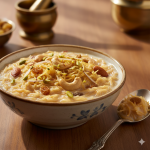
In ancient Indian households, healing never began with complex foods. It began with Peya — rice cooked slowly in abundant water, offered first to the sick, the fasting, the elderly, and even to deities.
Ayurveda did not view rice gruel as “poor food.” It was seen as brilliant nourishment — food that heals without burdening the body. In temples and homes alike, rice gruel was often offered as naivedya during evening worship, symbolizing purity, humility, and quiet strength.
This simple preparation has survived centuries for one reason: it works.
What Rice Gruel Does for the Body?
From an Ayurvedic perspective, Peya is primarily Vata-pacifying.
Its qualities are:
- Light
- Warm
- Moist
- Easy to assimilate
These qualities directly counter Vata imbalances such as dryness, bloating, fatigue, irregular digestion, and weakness.
Physical Benefits of Rice Gruel
- Restores digestive fire (agni) without overloading the stomach
- Relieves gas, acidity, and irregular bowel movements
- Rehydrates the body naturally with rice-based electrolytes
- Provides quick, steady energy without heaviness
- Supports recovery during fever, illness, or post-fasting
Because the rice is fully broken down, the body absorbs nutrients effortlessly, making it ideal for children, elders, and convalescents.
How Rice Gruel Supports the Gut and Mind?
Digestion and mental clarity are closely linked in Ayurveda. When Agni is weak, the mind becomes dull, restless, or anxious.
Rice gruel supports both by
- Reducing inflammation in the gut
- Encouraging healthy gut flora
- Preventing toxin buildup (ama)
- Stabilizing blood sugar gently
Fermented or overnight-soaked rice gruel goes a step further by improving nutrient absorption, especially B-vitamins and minerals, supporting immunity and mental steadiness. A calm gut naturally leads to a calmer mind.
Cultural and Ritual Importance of Rice Gruel
Rice gruel has long been used as sattvic prasad — especially during evening worship and Sayana Kala Puja.
Why?
- It is non-stimulating
- It supports Ojas
- It does not disturb the doshic balance after mantra chanting
After intense paath or japa, heavy food is discouraged. Rice gruel gently grounds the body while allowing spiritual energy to settle.
In many traditions, Peya offered after puja is believed to seal the benefits of the ritual, nourishing both body and subtle energy.
How to Prepare Rice Gruel the Ayurvedic Way?
Authentic Peya is simple and slow-cooked.
Basic Preparation
- 1 part rice (red rice, basmati, or Navara preferred)
- 10–14 parts water
- Cook until the rice is fully soft and suspended in water
- Do not strain
Optional Additions for Balance
- A pinch of rock salt
- Dry ginger or fresh ginger
- Cumin seeds
- A pinch of hing
Consume warm. One bowl is sufficient.
When and How Often to Consume?
Rice gruel is best consumed:
- During illness or recovery
- In winter or Vata-aggravated seasons
- After fasting or evening worship
- When digestion feels weak or irregular
For daily use, moderation is key. One bowl a day supports digestion without causing heaviness.
In a world of excess, Peya offers balance. In times of weakness, it offers strength. And after spiritual practice, it offers grounding.
Sometimes, the most powerful nourishment is not what fills the plate — but what allows the body to rest, repair, and renew.
Feature Image Credit: Pinterest.